



Office Address:
67-10 Fresh Pond Road Ridgewood, NY 11385


Healing Stubborn Corneal Scratches: How Amniotic Membrane Therapy Works
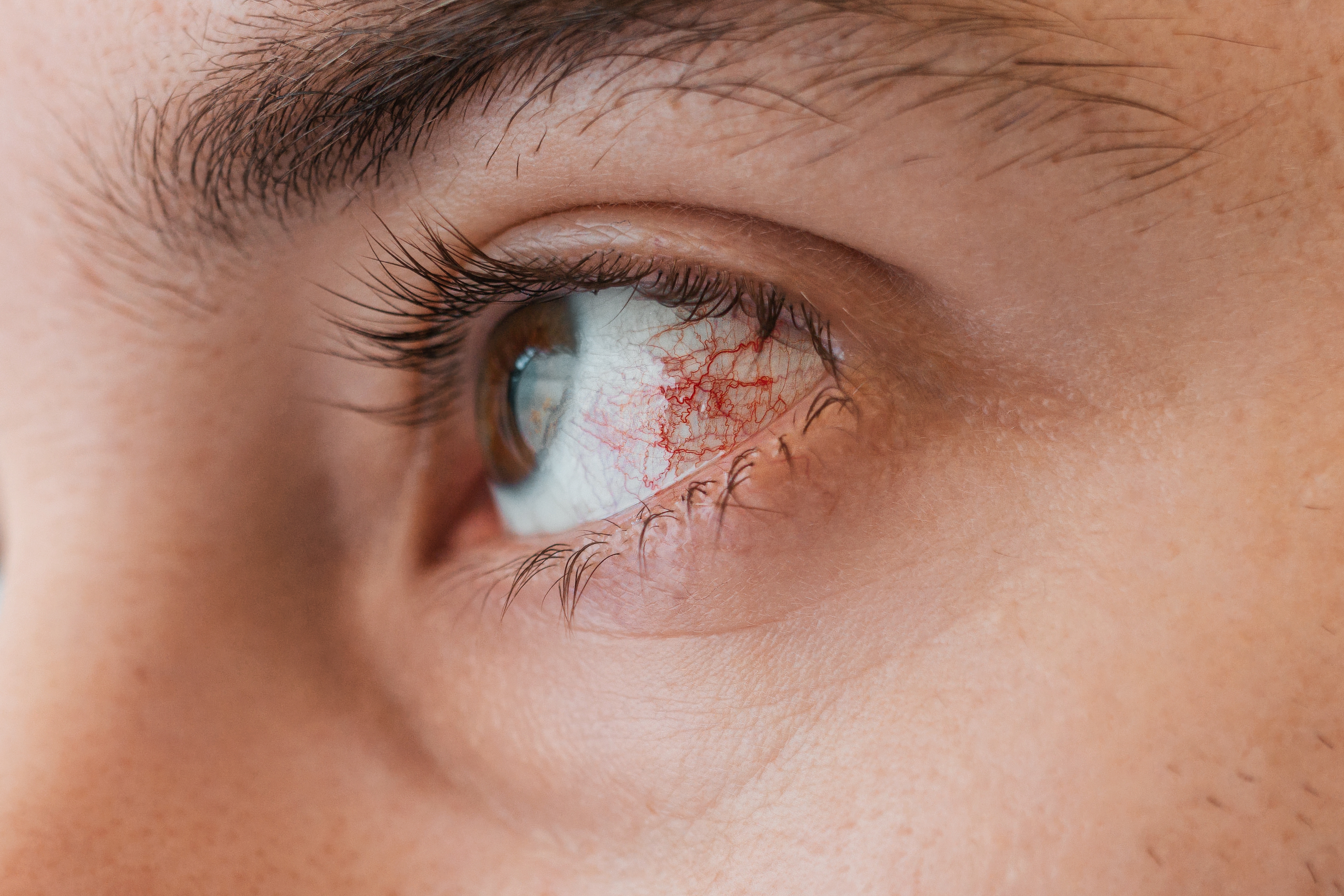
A corneal scratch, also called a corneal abrasion, affects the clear outer surface of the eye. Many minor scratches heal quickly with appropriate care. However, some injuries do not heal as expected or repeatedly reopen, leading to ongoing pain, light sensitivity, redness, tearing, and blurry vision. At Fresh Pond Eye Care in Ridgewood, we offer amniotic membrane therapy for certain patients who need additional support healing a damaged corneal surface.
Why Some Corneal Scratches Struggle to Heal
The cornea normally repairs itself efficiently, but healing can become more difficult when the surface is significantly damaged or another eye condition interferes with recovery. Severe dry eye, recurrent corneal erosions, inflammation, and persistent epithelial defects can all make it harder for the corneal surface to remain healthy.
When a damaged area fails to close properly, simply managing the discomfort may not be enough. The eye may need additional protection and an environment that supports tissue repair.
What Is Amniotic Membrane Therapy?
Amniotic membrane therapy uses specially prepared amniotic tissue as a biological covering for the damaged surface of the eye. The membrane contains components that support tissue regeneration and help control inflammation.
Once placed over the cornea, the membrane creates a protective environment while the underlying surface heals. Depending on the patient's condition, it may remain in place for several days while we monitor recovery.
How Amniotic Membranes Support Corneal Healing
For patients with persistent corneal damage, amniotic membrane therapy may provide several benefits:
• Protects the injured corneal surface while new epithelial cells develop
• Helps reduce ocular surface inflammation
• Supports natural tissue regeneration
• May help limit scarring during the healing process
• Provides additional support for persistent epithelial defects and recurrent corneal erosions
The goal is not simply to cover the scratch. Amniotic membrane therapy helps create conditions that allow the corneal surface to repair itself more effectively.
When Is Amniotic Membrane Therapy Considered?
Not every corneal scratch requires advanced treatment. Minor abrasions often respond well to conventional care. We may consider amniotic membrane therapy when the cornea is not healing normally, the surface repeatedly breaks down, or there is significant ocular surface inflammation or damage.
Before recommending treatment, we carefully examine the cornea and determine why healing has been delayed. This allows us to choose an approach based on the condition of the eye rather than treating symptoms alone.
Get Help for a Corneal Injury in Ridgewood
Persistent eye pain, light sensitivity, redness, tearing, or blurry vision after a corneal injury should not be ignored. Dr. Wu and his team can evaluate the corneal surface and determine whether amniotic membrane therapy or another form of medical eye care is appropriate.
Schedule an evaluation with Fresh Pond Eye Care to learn more about amniotic membrane therapy and find out whether it may help support healing, reduce discomfort, and restore a healthier corneal surface. Contact our office in Ridgewood, New York, by calling (646) 481-8579 or Click here to get in touch with us today.


Office Hours
- Monday Closed
- Tuesday 10:00am - 6:00pm
- Wednesday 10:00am - 5:00pm
- Thursday 10:00am - 6:00pm
- Friday 10:00am - 5:00pm
- Saturday 10:00am - 6:00pm
- Sunday Closed
© 2026 Fresh Pond Eye Care. All Rights Reserved - Accessibility Statement - Privacy Policy - Sitemap
Powered by

